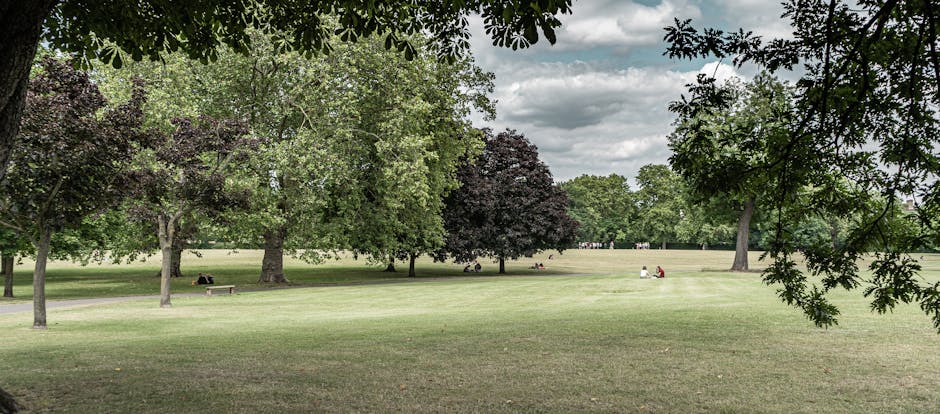
Jubilee Gardens gardeners for Waterloo events and hires
If you are planning a public event, private hire, or short-notice gathering near Waterloo, the condition of the garden space can make or break the experience. Jubilee Gardens gardeners for Waterloo events and hires are there to keep the site looking sharp, safe, and welcoming before guests arrive and while everything is in motion. That might mean a tidy lawn, crisp edges, smart hedge trimming, or a fast clearance after a busy weekend. Truth be told, outdoor event spaces can go from polished to scruffy very quickly.
This guide explains what the service involves, how it usually works, who needs it, and what to check before booking. You will also find practical advice on maintenance, safety, compliance, and the small details that tend to get missed until the last minute. If you want a broader view of available support, the services overview is a good starting point, and if you need ongoing help rather than a one-off visit, garden maintenance may be the better fit.
Let's face it: guests notice the edges, the paths, the smell of freshly cut grass, and whether the place feels cared for. You do not need a grand landscape makeover every time. Often, you just need a reliable team who understands event timing, turnaround pressure, and the realities of working around hires in central London.
Table of Contents
- Why Jubilee Gardens gardeners for Waterloo events and hires Matters
- How Jubilee Gardens gardeners for Waterloo events and hires Works
- Key Benefits and Practical Advantages
- Who This Is For and When It Makes Sense
- Step-by-Step Guidance
- Expert Tips for Better Results
- Common Mistakes to Avoid
- Tools, Resources and Recommendations
- Law, Compliance, Standards, or Best Practice
- Options, Methods, or Comparison Table
- Case Study or Real-World Example
- Practical Checklist
- Conclusion
- Frequently Asked Questions
Why Jubilee Gardens gardeners for Waterloo events and hires Matters
Jubilee Gardens sits in a highly visible part of Waterloo, so presentation matters more than people sometimes realise. A well-kept outdoor space does not just look nice. It helps events run smoothly, reduces trip hazards, supports cleaner foot traffic, and creates a better first impression for visitors, organisers, and hire teams.
For event hires, the garden is rarely just "background". It becomes part of the venue. That means the planting, turf, borders, hard edges, and access routes all have to work together. One overflowing bed or a patchy lawn can distract from a carefully planned launch, reception, community day, or seasonal activation. And when the wind picks up or the weather turns a bit wet, problems show up fast.
There is also a trust factor. Organisers want to know the area has been prepared by people who understand the pace of event work. Gardening for a regular domestic garden is one thing; gardening for a hire window, where timing is tight and everything must be left tidy, is another. A good team knows how to work with schedule pressure without cutting corners. That balance matters.
If you are comparing support options, it can help to think about the site in two layers: the day-to-day upkeep and the event-specific preparation. The first keeps the space healthy. The second makes it camera-ready and guest-ready. Both matter, and both are easier to manage when they are planned together rather than treated as separate emergencies.
Expert summary: For Waterloo event spaces, the best gardening support is not only about appearance. It is about reliability, safe access, quick turnaround, and keeping the site presentable before, during, and after hire use.
How Jubilee Gardens gardeners for Waterloo events and hires Works
In practice, the process usually starts with a site review. A gardener or maintenance team will look at lawn condition, hedge lines, border growth, debris, drainage issues, and access points. For event use, they will also think about where guests will walk, where temporary structures may sit, and how easy it is to get equipment in and out without damaging the space. Simple enough on paper, though the details can be fiddly.
From there, the plan is usually built around the event schedule. A one-off job may involve mowing, strimming, edging, litter picking, and light tidying in the days before hire. A more involved booking might include garden clearance, hedge trimming, small landscaping improvements, and post-event reset work. In some cases, the team may also advise on longer-term improvements, such as turf repair or better planting choices for a high-footfall setting.
The key thing is timing. Event gardens rarely benefit from "whenever we can fit it in" planning. Better results come when the maintenance window is matched to the hire schedule. For example, grass cut too early can look tired by event day; cut too late and it may look rushed or muddy. The same is true for hedge trimming and border work. Small timing choices make a big difference.
It is also common for the work to be split into phases:
- Pre-event preparation: tidy, cut, edge, clear, inspect.
- Event-period support: light touch-ups, litter checks, fast response if something looks off.
- Post-event recovery: waste removal, lawn repair, border reset, and any follow-up care.
For sites that need more structured upkeep, lawn mowing, hedge trimming, and recycling and sustainability can all be part of the wider plan. A decent team will not treat those as separate chores. They are part of the same outcome: a neat, workable hire space that holds up under real use.
Key Benefits and Practical Advantages
The obvious benefit is presentation. A clean, well-maintained garden feels calmer and more professional the moment people walk in. That can matter for weddings, press events, brand launches, community gatherings, seasonal markets, or corporate hospitality. You can almost hear the difference: less shuffling around rough ground, fewer muttered comments about overgrown bits, more confidence all round.
But the practical gains go further than appearance.
- Safer movement: trimmed edges, clear routes, and fewer hidden hazards.
- Better photo results: neat lawns and borders make event images look stronger.
- Smoother setup: access is easier for suppliers, crew, and hire teams.
- Reduced last-minute stress: fewer surprise problems on the day.
- Faster turnaround: the space can be reset more efficiently after use.
There is also a maintenance advantage. Event-heavy sites can suffer from compacted grass, worn entrances, and frequent litter accumulation. If the work is done thoughtfully, those issues can be managed before they grow into bigger repair jobs. That is where experienced gardeners add real value. They are not just tidying. They are protecting the long-term condition of the site.
For organisers, that means fewer awkward conversations and less chance of a hire space looking tired halfway through a busy season. For landlords, venue managers, and event coordinators, it can mean a better reputation with clients who notice the small details. And clients do notice. Probably more than they admit.
Who This Is For and When It Makes Sense
This service makes sense for anyone responsible for an outdoor hire space near Waterloo that needs to look good and function properly. That includes event managers, venue teams, local businesses with hospitality gardens, schools or community groups running outdoor functions, and private organisers who want the site to feel polished rather than improvised.
It is especially useful when you are dealing with:
- one-off events with a fixed set-up and pack-down window
- recurring hires that need regular presentation standards
- seasonal peaks, when growth and use both increase
- sites that have been neglected and need a reset
- venues where guest safety and access are just as important as appearance
It also makes sense if your event date is close and the garden has slipped a little. Maybe the borders are getting shaggy, the lawn is uneven, or the leaves have built up in the corners. That happens. Especially in London, where weather and footfall can change the look of a space in a week.
For more involved outdoor transformations, some clients look at landscape gardening or broader landscaping before they commit to regular event hires. That can be a sensible route if the garden needs to support bookings more comfortably over time.
Step-by-Step Guidance
If you are arranging gardening support for a Waterloo event or hire, a simple process keeps things far less stressful. Here is a practical way to handle it.
- Define the event use. Is it a reception, casual hire, ticketed event, or something with structured access and layout? Different uses create different demands.
- Walk the site properly. Look at the lawn, edges, access points, visible weeds, any awkward corners, and where guests will naturally gather.
- List the non-negotiables. Maybe you need hedge lines tightened, litter removed, or a particular lawn area repaired before guests arrive.
- Set the timing backwards. Work from the event date. Decide when mowing, clearance, and final checks should happen. Not too early, not too late.
- Choose the right level of service. A light tidy may be enough for one event. A recurring hire space might need scheduled garden maintenance and periodic trimming.
- Confirm site access and responsibilities. Who opens the area? Who signs off on the finish? Who handles post-event waste?
- Check the reset plan. The garden should not just look good on arrival; it should recover well afterwards too.
A small but useful tip: ask for a final sweep or tidy after the main gardening work is done. Blown clippings, loose twigs, or a stray bag of green waste can spoil an otherwise excellent finish. It sounds obvious. It still gets missed.
If there are tree-related concerns near the event area, it is sensible to raise them early and review tree lopping and removal where appropriate. Overhanging branches, deadwood, or blocked light can affect both safety and presentation.
Expert Tips for Better Results
One of the biggest mistakes people make is leaving gardening until the event week. By then, everyone is busy, and little issues start competing with bigger ones. In our experience, the best results come from planning a few weeks ahead where possible, even if the actual work only takes a day or two.
Here are a few tips that genuinely help:
- Use the weather window wisely. Dry conditions are better for mowing and surface tidying, but do not wait forever for perfection.
- Prioritise guest routes. The path from entrance to event zone matters more than the farthest border.
- Keep sightlines clean. Front edges, corners, and perimeter hedges frame the whole experience.
- Leave room for overflow. If people will queue, chat, or linger outside, that space needs as much care as the main lawn.
- Plan for post-event damage. Even polite guests can flatten turf and scatter debris. It happens.
Another practical point: if your venue uses temporary structures, lights, or catering equipment, ask how those will affect grass and access. A firm surface under a marquee is one thing; a soft lawn after a rainy Thursday is another. That is where experienced judgment earns its keep.
And yes, a clean edge really does change how a place feels. A neat border can make a site look cared for even before people notice the planting. Funny how that works.
Common Mistakes to Avoid
Most problems with event garden hires are not dramatic. They are usually small oversights that build up into frustration. A few to watch for:
- Booking too late: this limits your options and leaves no room for weather delays.
- Focusing only on the visible centre: the edges, access points, and side routes can matter just as much.
- Ignoring waste removal: cuttings and debris should be planned for, not guessed.
- Overlooking repeated use: a one-off tidy may not be enough if the space is hired every week.
- Forgetting recovery time: lawns and borders may need a reset after heavy footfall.
There is also the "looks fine from a distance" trap. From the entrance, a garden can seem passable. Walk it slowly, though, and you may find rough patches, low branches, weeds around posts, or muddy corners where guests will naturally congregate. That is the stuff that gets noticed on the day.
If you are using the space repeatedly, it is worth avoiding a patchwork approach where different people handle mowing, clearance, trimming, and repairs separately. More often than not, that creates uneven standards. Better to have one joined-up plan.
Tools, Resources and Recommendations
You do not need to become a gardening specialist to manage event hires well, but it helps to understand the usual tools and service areas involved. That makes conversations quicker and decisions clearer.
| Need | Typical service or approach | Why it helps for events |
|---|---|---|
| General tidying | Garden clearance, sweeping, debris removal | Keeps the space neat and ready for guests |
| Regular presentation | Scheduled garden maintenance | Prevents the site from slipping between hires |
| Lawn finish | Precise lawn mowing and edging | Improves the visual standard and walking surface |
| Boundary control | Hedge trimming | Defines the event space and improves sightlines |
| Longer-term improvement | Landscape gardening or landscaping | Helps the site perform better across a full hire season |
| Structural outdoor upgrades | decking services | Useful where seating, access, or covered circulation areas are needed |
A sensible recommendation is to ask for a site-focused plan rather than a generic quote. The best event support is shaped around access, footfall, and presentation priorities. If a provider can talk through timing, waste removal, and site protection clearly, that is a good sign.
For pricing clarity, the page on pricing and quotes can help set expectations, while insurance and safety is worth reviewing whenever people, equipment, and public access are part of the job.
Law, Compliance, Standards, or Best Practice
For outdoor events and hires in Waterloo, compliance is less about one dramatic rule and more about getting several small responsibilities right. Site managers usually need to think about access, trip hazards, waste handling, safe use of equipment, and clear responsibility for the area before and after hire. You do not want grey areas here. They have a habit of becoming expensive grey areas.
Best practice generally includes keeping walkways clear, making sure the site is safe for the expected footfall, and checking that any work carried out by contractors is properly insured. Where trees, overgrowth, or poor visibility could affect safety, those issues should be dealt with before the event, not after someone points them out. For garden spaces used by the public, that common-sense approach matters more than fancy wording.
It is also good practice to keep communication straightforward. Agree who is responsible for the final handover, who signs off the work, and what happens if weather or access changes at short notice. A site that is well-managed on paper tends to be well-managed in reality too. Not always, but usually.
Where sustainability is part of the venue's ethos or the event brief, ask how green waste is handled and whether reusable or low-waste methods are being used where sensible. You can also review the provider's recycling and sustainability approach to understand how material is handled after the work is complete.
Options, Methods, or Comparison Table
Not every hire needs the same level of gardening support. Some spaces only need a quick spruce-up, while others need a more complete reset. Choosing the wrong level usually means overspending or, worse, underpreparing. Here is a simple comparison.
| Approach | Best for | Strengths | Limitations |
|---|---|---|---|
| Light tidy-up | Small private hires, short events, low footfall | Quick, efficient, cost-conscious | May not solve deeper presentation issues |
| Scheduled maintenance | Recurring Waterloo events and regular hires | Consistent appearance, easier planning | Needs coordination over time |
| Event-specific prep | One-off launches, receptions, seasonal bookings | Targets visible problem areas fast | May not support long-term site health alone |
| Full site improvement | Spaces with repeated use or design weaknesses | Raises the standard across the whole garden | More planning and investment needed |
In practice, many sites use a mix. For example, a venue may rely on regular mowing and hedge trimming most of the time, then book a deeper clearance and presentation pass before a larger hire. That blended approach is often the most realistic.
Case Study or Real-World Example
Imagine a community event scheduled for a Friday afternoon in late spring. The site is attractive but a bit tired after a run of back-to-back bookings. The lawn has been cut unevenly, one hedge is starting to spill into a walkway, and there is leftover leaf litter tucked into the border near the entrance. Nothing disastrous. Just enough to make the place feel less polished than it should.
A sensible gardener team would start with a walk-through early in the week. They would cut and edge the lawn, tidy the borders, clear debris, and trim the hedge line to restore the shape of the space. If there were awkward areas near access points, those would be cleaned up first so the site feels organised as soon as people arrive. If a small section needed recovery after previous use, that would be flagged rather than hidden.
By Thursday evening, the area would be ready for final checks. Friday morning could then be used for a last sweep, a look at entrances, and a quick reset if the weather had blown in extra leaves overnight. That kind of responsive approach may not sound glamorous, but it is exactly what makes a hired garden feel professional. Visitors never need to know how much work went into it. That is the point.
If the same site is booked again the following month, the team can build on what they learned: where footfall gathers, which edges wear first, and what needs earlier attention next time. That is how event gardening gets better over time. It stops being reactive and starts becoming reliable.
Practical Checklist
Use this checklist before any Waterloo event or hire in Jubilee Gardens or a similar space:
- Confirm the event date, arrival time, and pack-down time.
- Walk the full site, not just the main viewing area.
- Check lawn condition, borders, hedge lines, and access routes.
- Decide whether you need mowing, trimming, clearance, or a fuller reset.
- Confirm who is responsible for waste removal and final tidy-up.
- Ask whether the work should be done in phases before and after the event.
- Make sure the site plan reflects guest movement and supplier access.
- Review safety, insurance, and handover expectations.
- Allow time for weather changes and minor last-minute adjustments.
- Keep a simple record of what worked well for the next booking.
Good event gardening is really about anticipation. If you can picture where the first guest will step, where the catering team will turn, and where the lawn will take the most pressure, you are already halfway there.
Get a free quote today and see how much you can save.
Conclusion
Jubilee Gardens gardeners for Waterloo events and hires play a practical role that goes well beyond making things look tidy. They help create a space that feels cared for, works safely under pressure, and holds up to the pace of real event use. Whether you need a one-off spruce-up, regular maintenance, or support with a bigger outdoor improvement plan, the value lies in timing, reliability, and the small details.
If you are managing a hire space near Waterloo, the best next step is to think about the site as guests will experience it: first glance, first step, first impression. Once you do that, the right priorities usually become obvious. And if a bit of help makes the day easier, that is not a luxury. It is just good planning.
There is a quiet satisfaction in seeing a garden sit neatly in the afternoon light, ready for people. That part never really gets old.
Frequently Asked Questions
What do Jubilee Gardens gardeners for Waterloo events and hires actually do?
They prepare and maintain the outdoor space so it looks presentable and functions well for events and hires. That can include mowing, edging, hedge trimming, clearance, light repairs, and post-event reset work.
How far in advance should I book gardening support for an event?
As early as you can, ideally with enough time to inspect the site and allow for weather changes. Even a short job benefits from a bit of lead time, especially if the space is used heavily.
Is one-off gardening enough for a hire space?
Sometimes, yes. If the site is already in good shape, a one-off tidy may be enough. For recurring hires, regular maintenance is usually the better choice because it keeps standards consistent.
What is the difference between event prep and normal garden maintenance?
Normal maintenance keeps the garden healthy over time. Event prep focuses on presentation, access, and timing so the space is ready for a specific hire or booking window.
Do I need hedge trimming before a garden event?
If hedges affect the walkway, sightlines, or overall look of the venue, then yes, it is usually worth doing. Even light trimming can make the site feel much more ordered.
Can gardeners help with post-event cleanup?
Yes, and it is often a very sensible part of the job. Post-event cleanup usually includes litter removal, clearing green waste, and restoring the garden after footfall or setup activity.
How do I know if I need garden clearance or just a tidy-up?
If there is built-up debris, overgrowth, or neglected areas, clearance is likely needed. If the space mostly just needs a freshen-up, a lighter tidy may be enough.
What should I check before hiring someone for Waterloo event gardens?
Check the scope of work, timing, access arrangements, insurance, safety approach, and how they handle waste. A clear plan is usually a good sign that the job will run smoothly.
Can landscaping help with future event hires?
Yes. If the site regularly hosts events, landscaping improvements can make the garden easier to maintain, more attractive, and better suited to repeated use.
How important is insurance for event gardening work?
Very important. If equipment, contractors, guests, or public access are involved, you want reassurance that the work is properly covered and handled carefully.
What is the best way to keep a hired garden looking good all season?
Use a consistent schedule rather than reacting only when things look messy. Regular mowing, trimming, and small touch-ups usually cost less disruption than big fixes later on.
Where can I learn more about the wider services available?
You can review the services overview for a broader picture, then look at the most relevant service pages depending on whether you need maintenance, clearance, mowing, or a longer-term improvement plan.